Posted on Leave a comment

Are You Eating Seeds the Right Way? Common Seed Mix Mistakes to Avoid

Are You Eating Seeds the Right Way? Common Seed Mix Mistakes to Avoid

Seeds are everywhere today, sprinkled on smoothie bowls, mixed into salads, and promoted as everyday superfoods. But here’s an uncomfortable truth most people don’t talk about:

Eating seeds doesn’t automatically make your diet healthier.
Eating them the right way does.

seed mix can support digestion, improve energy levels, and add great texture and taste to meals, but only if it’s chosen well and consumed correctly. Otherwise, it’s just another health trend that delivers little value.

Let’s break down the most common seed mix mistakes and how to avoid them so you actually benefit from what you’re eating.


Mistake #1: Consuming Seeds Without Proper Preparation

Many seeds are packed with nutrients, but they also contain natural compounds that can make them difficult to digest when eaten raw.

Why this matters

  • Reduced nutrient absorption

  • Digestive discomfort or bloating

  • Missed health benefits

What works better

  • Light roasting at low temperatures

  • Soaking seeds like flax and chia before use

  • Using a ready-to-eat roasted seed mix for daily meals

Proper preparation improves both digestibility and taste, making seeds easier to include consistently.


Mistake #2: Treating Seed Mix as a Standalone Snack

Seeds aren’t meant to replace meals or be eaten in large quantities on their own.

A smarter way to consume seed mix

  • Sprinkle over salads, sabzi, soups, or dal

  • Add to curd, smoothies, or breakfast bowls

  • Use as a nutrient enhancer, not a filler

When used this way, a seed mix complements your meals and supports balanced nutrition without overloading calories.


Mistake #3: Overeating Because “Seeds Are Healthy”

This is one of the most common mistakes.

Seeds are nutrient-dense, which also means they’re calorie-dense.

Ideal daily portion

  • 1–2 tablespoons per day

  • Spread across meals if possible

This portion is enough to deliver benefits like improved digestion, steady energy, and better metabolism without excess intake.


Mistake #4: Buying Low-Quality or Stale Seed Mixes

Not all seed mixes offer the same value. Many mass-market options compromise on:

  • Seed freshness

  • Roasting methods

  • Sourcing and storage

Why quality matters
Fresh, well-sourced seeds retain:

  • Better crunch and natural flavor

  • Higher nutritional value

  • Longer shelf life without artificial preservatives

When purchasing premium dry fruits online, always look for transparency in sourcing and packaging quality.


Mistake #5: Ignoring Taste Balance in Seed Mixes

A seed mix should be healthy and enjoyable.

Poorly balanced mixes can be:

  • Too bitter

  • Over-roasted

  • Dominated by one seed

A thoughtfully curated seed mix combines:

  • Mild seeds like sunflower and melon

  • Nutty seeds like pumpkin and sesame

  • Functional seeds like flax and chia

This balance makes it easier to build a daily habit without forcing yourself.

Nutritional Value of a Balanced Seed Mix

A properly curated seed mix delivers concentrated nutrition in a small serving. A daily portion typically provides:

  • Plant-Based Protein to support muscle health and sustained energy

  • Dietary Fiber to aid digestion, gut health, and satiety

  • Healthy Fats (Omega-3 & Omega-6) for heart and brain support

  • Essential Minerals such as magnesium, zinc, and iron

  • Natural Antioxidants that help combat oxidative stress

This nutrient density is why quality and freshness matter so much small amounts go a long way when the sourcing is right.


Why the Right Seed Mix Makes a Real Difference

When chosen carefully and consumed correctly, a quality seed mix can:

  • Support digestive health

  • Provide plant-based protein and healthy fats

  • Improve energy levels and satiety

  • Add natural crunch and flavor to everyday meals

The real benefits come from consistency, portion control, and quality sourcing, not trends.


Final Thoughts: Eat Seeds With Intention

Seeds are powerful but only when eaten the right way.

Avoiding these common mistakes helps you unlock the true potential of a seed mix, both nutritionally and taste-wise. If you’re investing in premium dry fruits online, pairing them with the right habits ensures you actually see the results.

Because in nutrition, how you eat matters just as much as what you eat.

Posted on Leave a comment

Health Benefits of Cranberries: Nutrition, Antioxidants and Daily Consumption

Know about Cranberries

Health Benefits of Cranberries: Nutrition, Antioxidants and Daily Consumption

Cranberries are small, tart berries that people have consumed for centuries for their nutritional and functional value. While they are traditionally linked to urinary health, modern research now highlights their broader role in antioxidant support, digestion, heart health, and daily nutrition.

This blog explains what cranberries contain, how they support the body, and the best ways to include them in everyday diets in a balanced and sustainable manner.


What Are Cranberries?

Cranberries are bright red berries from the Vaccinium family, which also includes blueberries and bilberries. Native to North America, these berries grow on low vines in sandy bogs and wetland areas.

People consume cranberries in several forms:

  • Fresh (usually cooked due to their tart taste)

  • Dried

  • Juiced

  • Powdered or as extracts

Among these, dried cranberries are the most common choice for daily use because they are convenient and have a longer shelf life.


Nutritional Value of Cranberries

Cranberries are low in calories yet rich in protective plant compounds that support overall wellness.

Per 100 grams, cranberries typically provide:

  • Dietary fiber

  • Vitamin C

  • Vitamin K

  • Manganese

  • Small amounts of vitamin E

  • Natural organic acids

  • Polyphenols and flavonoids

  • Proanthocyanidins, a unique antioxidant group

Together, these nutrients make cranberries valuable for long-term dietary balance.

Antioxidant Benefits of Cranberries

One of the most important benefits of cranberries is their high antioxidant content.

Supporting Cellular Health


Antioxidants in cranberries help protect cells from oxidative stress caused by pollution, lifestyle factors, and normal metabolism. As a result, including antioxidant-rich foods supports overall cellular balance over time.

Unique Proanthocyanidins

Cranberries contain a specific type of proanthocyanidins that is rare in other fruits. These compounds have been widely studied for their role in supporting urinary tract health by limiting bacterial adhesion.


Cranberries and Urinary Health

Cranberries are best known for their association with urinary tract support. Research suggests that cranberry compounds may help reduce the ability of certain bacteria to attach to the urinary tract lining.

Although cranberries do not treat infections, regular consumption may support urinary health as part of a balanced lifestyle.


Digestive and Gut Health Support

Cranberries provide dietary fiber, which helps support digestion and regular bowel movement. In addition, their polyphenols interact positively with gut bacteria, promoting a healthier digestive environment.

When consumed in moderate amounts, cranberries are generally easy to tolerate, especially in dried or diluted forms.


Cranberries and Heart Health

Cranberries also contribute to heart-friendly diets. Their flavonoids help support healthy blood vessel function and circulation. At the same time, fiber and antioxidants play a role in maintaining overall cardiovascular balance when combined with other whole foods.


Energy and Daily Nutrition

Cranberries provide light, natural energy from carbohydrates. Because fiber slows sugar absorption, they help deliver steady energy without heaviness.

For this reason, cranberries work well as:

  • Mid-morning snacks

  • Additions to breakfast bowls

  • Trail mixes

  • Workday snacks

Their tart flavour also balances sweeter ingredients, making meals more enjoyable.


How to Consume Cranberries Daily

Adding cranberries to daily meals is simple:

  • Mix dried cranberries into oats, cereal, or yogurt

  • Add them to salads for flavour contrast

  • Combine with nuts and seeds in trail mixes

  • Blend into smoothies

  • Use in baking or homemade snack bars

When choosing cranberry juice, it is better to select diluted or unsweetened versions to limit added sugars.


Portion Guidance

A reasonable daily portion includes:

  • about ¼ cup of dried cranberries, or

  • ½ cup of fresh cranberries, cooked or blended

Maintaining portion control is important, especially with sweetened dried cranberries.


Who Can Benefit from Cranberries?

Cranberries suit a wide range of people, including:

  • Those seeking antioxidant-rich foods

  • Individuals focused on urinary and digestive support

  • People looking to add variety to daily fruit intake

  • Adults following long-term wellness-oriented diets

They fit well into most dietary patterns when eaten mindfully.

Final Thoughts

Cranberries are far more than a seasonal or specialty fruit. With their unique antioxidant profile, fiber content, and functional compounds, they support cellular health, digestion, and daily nutrition when included regularly.

Simple, versatile, and research-backed, cranberries remain a valuable addition to everyday diets focused on balance and long-term well-being.

Posted on Leave a comment

Health Benefits of Blueberries: Nutrition, Antioxidants and Daily Consumption

Health Benefits of Blueberries: Nutrition, Antioxidants and Daily Consumption

Blueberries are often described as one of the most nutrient-dense fruits in the world. Small in size but rich in essential compounds, they have gained global popularity for their antioxidant content, natural flavour, and versatility in daily diets. From breakfast bowls to smoothies and snacks, blueberries fit seamlessly into modern eating habits.

This blog explores the nutritional profile of blueberries, their scientifically supported health benefits, and how they can be consumed daily in a balanced and sustainable way.

What Are Blueberries?

Blueberries are small, round berries belonging to the Vaccinium family. They are native to North America but are now cultivated in various parts of the world. Blueberries are consumed fresh, frozen, or dried, with each form retaining much of its nutritional value.

They are naturally low in calories and high in bioactive compounds, making them a popular choice in diets focused on overall wellness.

Nutritional Value of Blueberries

Blueberries provide a wide range of nutrients while remaining light and easy to digest.

Per 100 grams, blueberries typically contain:

  • Dietary fiber
  • Vitamin C
  • Vitamin K
  • Manganese
  • Natural sugars
  • Polyphenols and flavonoids
  • Anthocyanins (the pigments responsible for their blue colour)

This combination supports multiple body functions while keeping calorie intake moderate.

Antioxidant Power of Blueberries

One of the most researched benefits of blueberries is their high antioxidant content.

Rich in Anthocyanins

Anthocyanins are powerful antioxidants that help protect cells from oxidative stress caused by free radicals. Blueberries are among the richest natural sources of these compounds.

Cellular Protection

Regular intake of antioxidant-rich foods like blueberries supports cellular health and may help reduce the impact of environmental and metabolic stress on the body.

Because oxidative stress plays a role in aging and lifestyle-related challenges, blueberries are often included in long-term, balanced diets.

Blueberries and Heart Health

Blueberries contain flavonoids that have been linked to improved cardiovascular markers in observational studies. These compounds support healthy blood vessel function and circulation when blueberries are consumed regularly as part of a varied diet.

Their potassium and fiber content also contributes to overall heart-friendly nutrition.

Blueberries and Brain Function

Blueberries are often associated with cognitive support due to their antioxidant profile. Research suggests that flavonoids in blueberries may help support memory and cognitive performance over time by protecting brain cells from oxidative damage.

This has made blueberries popular across age groups, from students to older adults.

Digestive Support and Gut Health

Blueberries provide dietary fiber that supports digestion and helps maintain gut regularity. Fiber also feeds beneficial gut bacteria, contributing to a healthier digestive environment.

Unlike some fruits, blueberries are generally gentle on the digestive system when eaten in moderate portions.

Energy and Daily Nutrition

Blueberries provide natural carbohydrates along with fiber, which helps slow sugar absorption. This makes them suitable for:

  • breakfast meals
  • mid-morning snacks
  • pre-workout fuel
  • long workdays

They offer light, steady energy without heaviness.

How to Consume Blueberries Daily

Blueberries are extremely versatile and easy to include in everyday diets.

Common ways to consume blueberries include:

  • adding them to oats, cereals, or yogurt
  • blending into smoothies
  • eating as a standalone snack
  • using in salads or desserts
  • incorporating dried blueberries into trail mixes

Fresh, frozen, and dried forms can all be used depending on availability and preference.

Portion Guidance

A typical daily portion ranges from ½ to 1 cup of fresh blueberries or a smaller quantity of dried blueberries. Consuming them as part of a balanced meal helps maximize benefits while maintaining dietary balance.

Who Can Benefit from Blueberries?

Blueberries are suitable for:

  • individuals seeking antioxidant-rich foods
  • people focusing on long-term wellness
  • those looking for light, nutrient-dense snacks
  • anyone wanting to add variety to daily fruit intake

They fit well into most dietary patterns and age groups.

Final Thoughts

Blueberries stand out not because they promise instant results, but because they consistently deliver nutritional value over time. Rich in antioxidants, vitamins, and fiber, they support cellular health, digestion, and daily energy needs in a balanced way.

Simple, versatile, and widely accessible, blueberries remain one of the most functional fruits for everyday consumption when included as part of a varied and mindful diet.

Posted on Leave a comment

Health Benefits of Prunes: Nutrition, Digestion, Bone Health and Daily Use

What Are Prunes?

Health Benefits of Prunes: Nutrition, Digestion, Bone Health and Daily Use

Prunes, also known as dried plums, have been consumed for centuries for their nutritional value and digestive benefits. In recent years, interest in prunes has grown beyond digestion alone, with research highlighting their role in gut health, bone health, and overall daily nutrition.

This blog explores the nutritional profile of prunes, their scientifically supported health benefits, and how they can be included in everyday diets in a balanced way.

What Are Prunes?

Prunes are dried plums, most commonly produced from specific plum varieties that naturally dry well while retaining nutrients. Unlike many dried fruits that rely heavily on added sugars, prunes contain naturally occurring sugars and fiber, making them nutritionally dense.

They are widely used across cultures as a daily food, not just a remedy.


Nutritional Value of Prunes

Prunes are rich in several essential nutrients that support everyday body functions.

Per 100 grams, prunes typically provide:

  • Dietary fiber

  • Natural sugars (glucose and fructose)

  • Potassium

  • Vitamin K

  • Vitamin B6

  • Magnesium

  • Iron (in small amounts)

  • Polyphenols and antioxidants

This combination makes prunes both energy-providing and nutrient-supportive.


Digestive Health Benefits of Prunes

One of the most well-known benefits of prunes is their positive effect on digestion.

High Dietary Fiber

Prunes contain both soluble and insoluble fiber.

  • Soluble fiber helps absorb water and soften stool

  • Insoluble fiber adds bulk and supports regular bowel movement

This dual action helps maintain healthy digestion without harsh effects.

Natural Sorbitol Content

Prunes naturally contain sorbitol, a sugar alcohol that draws water into the intestines. This supports smoother digestion and regularity when consumed in moderation.

Gut Microbiome Support

The fiber and polyphenols in prunes act as food for beneficial gut bacteria, helping maintain a balanced digestive system over time.


Bone Health and Prunes

Prunes have gained attention for their role in bone health, especially in adults and older populations.

Vitamin K and Minerals

Vitamin K plays a role in bone mineralization. Prunes also provide potassium and magnesium, which support bone structure and calcium balance.

Polyphenols and Bone Density

Research suggests that the antioxidant compounds in prunes may help reduce bone breakdown by supporting healthy bone turnover.

This makes prunes a valuable food for long-term bone maintenance when included as part of a balanced diet.


Antioxidant and Cellular Support

Prunes are rich in antioxidants such as phenolic compounds. These antioxidants help protect cells from oxidative stress caused by daily environmental and metabolic factors.

Regular intake of antioxidant-rich foods supports overall cellular health and aging processes.


Energy and Daily Nutrition Support

Prunes provide natural energy due to their carbohydrate content while offering fiber that slows sugar absorption. This combination makes them suitable for:

  • Mid-morning snacks

  • Pre-workout energy

  • Long workdays

  • Travel or fasting periods

They offer sustained energy rather than quick spikes when eaten in appropriate portions.


How to Consume Prunes Daily

Prunes are versatile and easy to include in everyday meals.

Common ways to consume prunes:

  • Eat 2–4 prunes as a standalone snack

  • Add chopped prunes to oats or porridge

  • Blend into smoothies

  • Use in salads for mild sweetness

  • Soak prunes overnight and consume in the morning

Moderation is important. Excessive consumption may cause digestive discomfort due to high fiber and sorbitol content.


Who Can Benefit from Prunes?

Prunes are suitable for:

  • adults seeking better digestion

  • individuals with low fiber intake

  • people focusing on bone health

  • those looking for natural energy sources

  • anyone wanting to add nutrient-dense foods to daily meals

They can be consumed year-round and fit into most dietary patterns.


Final Thoughts

Prunes are far more than a traditional digestive aid. With their rich fiber content, essential minerals, antioxidants, and natural energy, they support digestive health, bone strength, and daily nutrition in a balanced way.

When consumed regularly and in moderation, prunes can be a valuable addition to a long-term, health-focused diet. Simple, natural, and time-tested, they remain one of the most functional dried fruits for everyday use.

Posted on Leave a comment

What Makes Kharawala’s Medjoul Dates Truly Premium? Size, Taste and Sourcing Explained

Know the fact about Dates!

What Makes Kharawala’s Medjoul Dates Truly Premium? Size, Taste and Sourcing Explained

Medjoul dates are often called the “king of dates” but not all Medjoul dates are the same. While many brands use the name, true premium quality comes down to a few critical factors: size, taste, texture, sourcing, and consistency.

This blog explains what sets Kharawala’s Medjoul Dates apart and why discerning consumers notice the difference from the very first bite.

1. Size That Signals Quality

One of the most visible markers of a premium Medjoul date is its size.

Kharawala’s Medjoul Dates are known for their large, plump, and well-formed appearance. Larger size is not just cosmetic it reflects:

  • Better growing conditions

  • Careful cultivation

  • Proper maturity at harvest

Premium Medjoul dates are naturally bigger because the palm receives adequate nutrients, water, and time. Smaller or uneven dates often indicate rushed harvesting or mixed grading.

At Kharawala’s, size grading is done carefully so every date in the pack feels consistent and impressive.


2. Taste That Is Naturally Rich, Not Overpowering

True Medjoul dates are prized for their deep caramel-like sweetness rich, rounded, and never sharp.

Kharawala’s Medjoul Dates deliver:

  • Balanced sweetness

  • No bitterness or fermented aftertaste

  • A flavour that feels indulgent yet clean

This balance comes from harvesting dates at the right stage of ripeness and ensuring proper post-harvest handling. Overripe or improperly stored dates may taste overly sugary or flat.

The goal is simple: sweetness that feels luxurious, not overwhelming.


3. Soft, Juicy Texture Without Stickiness

Texture is where premium Medjoul dates truly stand out.

Kharawala’s Medjoul Dates are:

  • Soft and tender

  • Naturally moist

  • Easy to bite

  • Not dry or fibrous

At the same time, they are not excessively sticky, which often happens when dates are poorly stored or artificially treated.

This balance of softness and structure makes them ideal for:

  • Direct consumption

  • Pairing with nuts

  • Gifting

  • Serving on platters


4. Sourcing From Trusted Growing Regions

Medjoul dates require very specific climate conditions to develop their signature size and flavour. Only a handful of regions globally can produce authentic Medjoul dates of consistent quality.

Kharawala’s sources Medjoul dates from established growing regions known for premium cultivation, where:

  • Palms mature naturally

  • Harvesting is done at optimal ripeness

  • Quality control begins at the farm level

Responsible sourcing ensures not just better taste, but also consistency across batches.


5. Careful Sorting and Selection

One major difference between regular and premium Medjoul dates lies in sorting discipline.

Each batch of Kharawala’s Medjoul Dates is:

  • Graded for size and appearance

  • Checked for texture consistency

  • Selected to remove broken or sub-standard pieces

This extra attention ensures that what reaches the consumer matches premium expectations, not just in one date but across the entire pack.


6. No Compromise on Natural Quality

Premium dates should not rely on artificial shine, excessive moisture, or treatments to look appealing.

Kharawala’s Medjoul Dates focus on:

  • Natural finish

  • Authentic colour

  • Real texture

  • Clean presentation

This approach preserves the original character of the date rather than masking flaws.


7. A Premium Experience, Not Just a Product

What ultimately defines a premium food product is the experience it delivers.

With Kharawala’s Medjoul Dates, that experience includes:

  • Visual appeal

  • Rich, satisfying flavour

  • Consistent quality

  • Confidence in sourcing

Whether enjoyed daily, served to guests, or included in gifting, the dates reflect a level of care that goes beyond basic standards.

Final Thoughts

Premium Medjoul dates are not created by chance. They are the result of careful sourcing, patient cultivation, strict grading, and respect for the product itself.

Kharawala’s Medjoul Dates stand out because every step from origin to selection is handled with intention. The difference is visible in size, noticeable in taste, and felt in every bite.

When quality matters, the details make all the difference.

Posted on Leave a comment

Healthy Office Snacks Alternatives

Why Premium Nut Mixes Are Replacing Junk Snacks for Professionals in 2025

Why Premium Nut Mixes Are Replacing Junk Snacks for Professionals in 2025

The modern workday has changed. Long hours, hybrid work models, constant screen time, and packed schedules have made snacking a daily habit rather than an occasional indulgence. But in 2025, professionals are rethinking what they snack on.

Biscuits, chips, and sugary bars are slowly being replaced by premium nut and seed mixes snacks that feel indulgent yet purposeful. This shift isn’t accidental. It reflects a growing awareness around energy levels, focus, and smarter everyday choices at work.

The Problem with Junk Snacking at Work

Traditional office snacks are convenient but come with downsides professionals are no longer willing to ignore:

  • Quick energy spikes followed by crashes

  • Constant hunger despite frequent snacking

  • Lack of variety and satisfaction

  • Overly processed ingredients

As workdays get longer and productivity becomes more outcome-driven, professionals are choosing snacks that keep them steady rather than sluggish.

Why Premium Nut Mixes Fit the 2025 Work Lifestyle

1. Sustained Energy Without Disruption

Unlike sugary snacks that wear off quickly, nut and seed mixes provide slow, steady energy. The natural combination of nuts, seeds, and berries keeps professionals fuelled through meetings, calls, and long focus hours.

This makes them ideal for:

  • Mid-morning hunger

  • Afternoon productivity slumps

  • Long meetings

  • Travel and workdays on the move


2. A Snack That Feels Premium, Not Processed

Professionals today prefer snacks that feel intentional rather than impulsive. Premium mixes offer:

  • Visible ingredients

  • Natural textures

  • Balanced flavours

  • No excessive sweetness or heaviness

This shift mirrors how people choose better coffee, better workspaces, and better tools quality matters.


3. Variety That Prevents Snack Fatigue

One reason junk snacks lose appeal is monotony. Nut mixes bring variety in every handful different textures, flavours, and combinations that keep snacking interesting without overeating.

This is where curated blends stand out.

How Kharawala’s Mixes Fit the Modern Professional’s Day

Berry Mix: A Smarter Sweet Fix

Perfect for professionals who crave sweetness during work hours.
Berries add a naturally satisfying flavour that works well as:

  • A desk snack

  • A post-meal bite

  • A meeting room refreshment

It replaces sugar-heavy treats without feeling restrictive.


Seed Mix: Clean, Crunchy, and Minimal

For those who prefer light, no-nonsense snacking.
Seed Mix works well for:

  • Focused work sessions

  • Minimal eaters

  • People who like simple, crunchy snacks

It pairs easily with fruit bowls, yogurt, or can be enjoyed on its own.


Nutty Mix: Classic, Comforting, and Satisfying

A favourite for long workdays and travel.
With salted almonds, cashews, pistachios, and black raisins, Nutty Mix delivers:

  • Familiar flavours

  • Satisfying crunch

  • The perfect sweet–salty balance

Ideal for desk drawers, office pantries, and evening work hours.

Why Professionals Are Making the Switch in 2025

The move toward premium nut mixes reflects a broader change in mindset:

  • Fewer impulsive choices

  • More conscious routines

  • Better quality over quantity

Snacking is no longer about filling time. It’s about staying sharp, comfortable, and consistent through the day.

Beyond Individual Snacking: A Workplace Trend

Premium nut mixes are also becoming popular in:

  • Office snack stations

  • Corporate gifting

  • Meeting room refreshments

  • Welcome kits for employees and clients

They signal thoughtfulness, quality, and modern workplace culture.

Final Thoughts

In 2025, professionals are choosing snacks that match their pace, priorities, and preferences. Premium nut mixes are replacing junk snacks not because they are trendy, but because they simply fit better into real workdays.

With thoughtfully curated options like Kharawala’s Berry Mix, Seed Mix, and Nutty Mixsnacking becomes less about habit and more about intention.

A small change in what’s on your desk can make a noticeable difference in how your workday feels.

Posted on Leave a comment

Why Are Walnuts So Expensive? A Deep Dive into Farming, Sourcing and Global Demand

Why walnuts are expensive

Why Are Walnuts So Expensive? A Deep Dive into Farming, Sourcing and Global Demand

Among all dry fruits, walnuts consistently stand out as one of the most premium and high-priced options. Whether used in snacking, baking, or festive gifting, their cost often leaves people wondering: Why are walnuts so expensive?

The answer lies in the intersection of slow farming cycles, labour-intensive processing, weather sensitivity, limited growing regions, and steadily rising global demand. Here is a detailed breakdown of what makes walnuts one of the costliest nuts in the world.

1. Walnuts Take Years to Grow

Unlike other nuts that start producing earlier, walnut trees require 5–7 years to yield commercially viable nuts. In some regions and varieties, they may even take up to 10 years to reach consistent production.

This means farmers spend years investing in land, irrigation, and maintenance without selling a single nut naturally making the final product more expensive.

2. Walnut Orchards Need Heavy Irrigation

Walnut trees require a large and regular supply of water. In major walnut-producing regions like California, irrigation is extremely costly due to water scarcity.
High irrigation costs directly raise:

  • Farming expenses

  • Maintenance charges

  • Final market price

Water availability has become one of the biggest factors influencing walnut pricing in the global market.

3. Walnuts Are Labour-Intensive to Process

A walnut goes through multiple tough layers before reaching consumers:

  1. A thick green outer husk

  2. A hard shell

  3. The delicate edible kernel inside

Each layer requires separate mechanical or manual processing.
Walnuts also break easily during shelling, so sorting must be done carefully to preserve whole halves.

This entire workflow demands:

  • Specialised machinery

  • Skilled labour

  • Slow, careful processing

All of which contribute to higher production costs.

4. Walnut Trees Are Extremely Weather Sensitive

Walnut cultivation is risky because the trees are vulnerable to:

  • Frost damage during budding

  • Excessive heat

  • Drought

  • Pests

  • Sudden weather shifts

A single bad season can drastically reduce yield, causing immediate shortages and price spikes.

Climate-related challenges in regions like California, China, and Chile have repeatedly affected walnut output, maintaining upward pressure on prices.

5. Only a Few Regions in the World Can Grow Walnuts

Walnut cultivation requires very specific climate conditions. High-quality walnuts primarily grow in:

  • California

  • China

  • Chile

  • Iran

  • Parts of India (Kashmir, Himachal Pradesh)

Because the number of suitable regions is limited, global supply remains restricted. Meanwhile, demand continues to grow, keeping walnut prices consistently elevated.

6. Global Demand Keeps Increasing

Walnuts are widely popular across cuisines and industries. They are used in:

  • Baking

  • Snacking

  • Confectionery

  • Salads

  • Premium gifting

  • Wellness-focused diets

They have gained popularity due to their rich flavour and perceived nutritional value such as omega-3 and healthy fats. As demand rises across the world, supply struggles to keep up — naturally pushing prices higher.

Additional Factors That Influence Walnut Pricing

• Grading and Colour

Light-coloured walnut halves (the premium grade) are expensive because they are limited and delicate.

• Import Costs

Countries like India rely heavily on imported walnuts. Fluctuating freight charges, import duties, and currency variations impact final prices.

• Storage Requirements

Walnuts must be stored carefully to maintain freshness and avoid rancidity, adding to cold storage and packaging costs.

Final Thoughts

Walnuts are expensive not because of branding or seasonal demand, but due to the nature of the crop itself. They are slow to grow, difficult to process, sensitive to weather changes, limited in production regions, and increasingly in demand worldwide.

When a product requires years of investment, specialised care, and complex sourcing, it naturally becomes premium. Walnuts are a perfect example a nut shaped almost like a brain, backed by a much larger ecosystem of global agriculture, logistics, and market forces.

Posted on Leave a comment

The Ultimate Winter Protein: Why Fitness Lovers Choose Kharawala’s Seed Mix for Daily Nutrition

Winter Protein Boost with Kharawala’s Seed Mix

The Ultimate Winter Protein: Why Fitness Lovers Choose Kharawala’s Seed Mix for Daily Nutrition

Winter is the season when fitness requires a little more effort. Cold mornings make workouts tougher, metabolism slows down, and the body naturally demands more warmth and energy. For people committed to staying active and fit through the season, the right nutrition becomes just as important as the right training routine.

This is where Kharawala’s Seed Mix steps in as the ultimate winter protein booster. Packed with pumpkin seedssunflower seeds, and chia seeds, this blend delivers everything your body needs to stay strong, warm, and energized during winter workouts.

It is simple, natural, and incredibly effective. And for fitness lovers, it is becoming a daily essential.

Why Winter Demands More Protein and Healthy Fats

During winter, the body uses more energy to maintain warmth. This means two things:

  1. You burn more calories.

  2. You need more slow-releasing fuel.

Seeds are one of the most balanced sources of complete nutrition. They are rich in:

  • Plant-based protein for muscle recovery

  • Omega 3 and omega 6 fats for warmth and joint health

  • Dietary fiber for digestion

  • Micronutrients like zinc, magnesium, iron, and vitamin E

For people who work out regularly, these nutrients are not optional. They are fundamental for performance and recovery during the colder months.

Why Kharawala’s Seed Mix Is a Winter Gym Essential

Kharawala’s Seed Mix is designed for people who want clean, real nutrition. Every spoonful offers pure fuel from handpicked seeds without additives, preservatives, or fillers. Here is why fitness lovers rely on it.

1. High Protein for Muscle Recovery

Pumpkin seeds and sunflower seeds are naturally protein-rich. They help repair micro-tears in muscles after training and support consistent progress. For anyone lifting weights or following HIIT routines, this makes a noticeable difference.

2. Omega Rich for Warmth and Heart Health

Flax and chia seeds are among the richest plant sources of omega fats. These healthy fats increase thermic energy, help maintain body warmth, ease joint stiffness, and support cardiovascular health. Perfect for early-morning winter workouts.

3. Sustained Energy Release

Seeds digest slowly, keeping you full and energized for longer. No sugar crashes, no sudden hunger. Just stable, steady energy that your body needs to stay active.

4. Immunity Boosting Power

Winter brings a higher risk of colds and low immunity. Zinc, magnesium, and antioxidants in Kharawala’s Seed Mix help strengthen your body’s defenses, ensuring your workouts stay consistent.

5. Light, Clean and Versatile

Unlike heavy breakfasts or supplement-based snacks, this mix is light yet powerful. It blends effortlessly into both pre and post workout meals.

How to Use Kharawala’s Seed Mix for Daily Fitness Nutrition

Here are simple, winter-friendly ways to include it in your daily routine:

1. Pre Workout Energy Boost

Take a spoon of Seed Mix with warm water or sprinkle it over fruit.
Gives long-lasting fuel without feeling heavy.

2. Post Workout Muscle Recovery

Add it to:

  • Protein shakes

  • Smoothies

  • Warm oatmeal

  • Greek yogurt

This helps replenish nutrients after training.

3. Winter Breakfast For Strength

Add a scoop to your morning:

  • Muesli

  • Porridge

  • Honey milk

  • Breakfast Mix
    or simply mix it with warm milk and a spoon of Kharawala’s honey.

4. Mid Day Fitness Snack

Roast the Seed Mix lightly with a pinch of Himalayan salt.
It becomes the perfect crunchy high protein snack for busy days.

5. Evening Immunity Drink

Mix one tablespoon of the Seed Mix into warm milk with turmeric for muscle relaxation and immune support.

Why Fitness Enthusiasts Prefer Seeds Over Supplements in Winter

While supplements have their place, natural foods offer deeper nourishment. Seeds provide:

  • Complete nutrition without artificial additives

  • Better absorption

  • Balanced fats instead of synthetic oils

  • Natural fiber that supplements lack

Plus, seeds work perfectly for people following:

  • Weight loss plans

  • Muscle gain plans

  • High protein diets

  • Low carb diets

  • Winter wellness routines

They are nature’s multivitamin and protein source in one.

Final Thoughts

Winter fitness is as much about nutrition as it is about discipline. Kharawala’s Seed Mix makes the journey easier, cleaner, and more sustainable. With high protein, omega fats, essential minerals, and slow-releasing energy, it becomes the ultimate winter superfood for people who refuse to compromise on their health goals.

Whether you are building muscle, staying toned, or simply keeping your body active and warm, this tiny powerhouse blend deserves a place in your daily routine.

One spoon every day.
Natural energy.
Real strength.
Perfect winter fitness companion.

Posted on Leave a comment

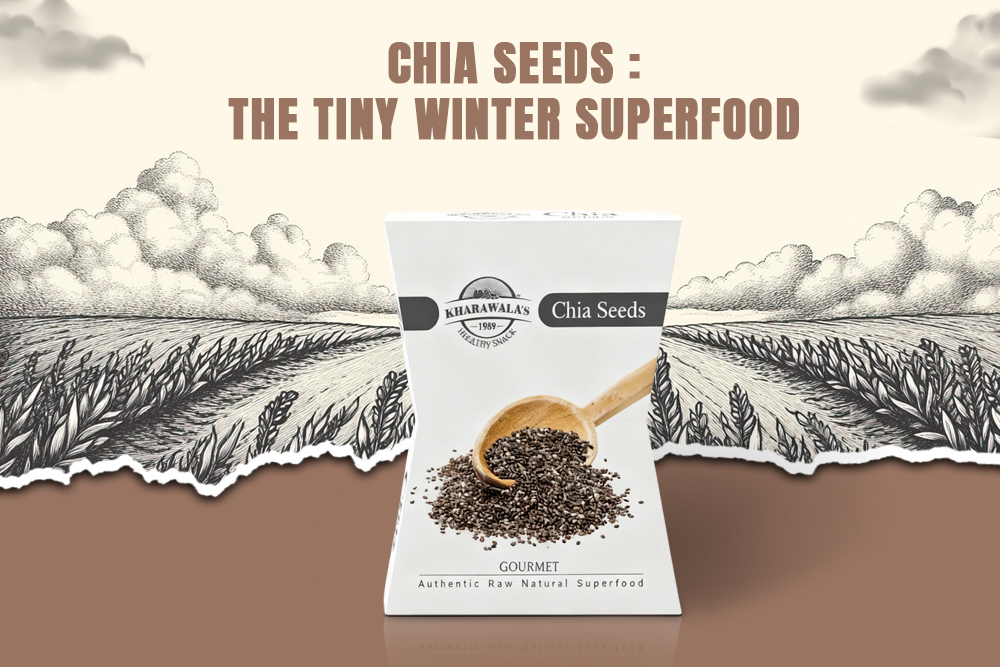
Why Chia Seeds Are the Tiny Winter Superfood You Need Every Morning

Why Chia Seeds: The Tiny Winter Superfood

Why Chia Seeds Are the Tiny Winter Superfood You Need Every Morning

When it comes to winter nutrition, few ingredients are as powerful as chia seeds. These tiny, nutrient-dense seeds have quietly earned their place as a winter superfood helping you stay warm, full, and energized through chilly mornings. Whether you’re starting your day with a smoothie, oatmeal, or warm milk, adding a spoonful of chia seeds for breakfast can transform your winter wellness routine.

Rich in omega-3 fatty acids, fiber, protein, and antioxidants, chia seeds are nature’s way of keeping your energy steady and your body nourished when the temperatures drop. For those looking to replace heavy breakfasts with something light yet sustaining, chia seeds are the perfect choice.

The Winter Power of Chia Seeds

Winter naturally slows down our metabolism and increases our appetite for heavier foods. While occasional indulgence is part of the season’s joy, it’s essential to balance it with something that supports your body’s natural rhythm.

Chia seeds are packed with nutrients that make them ideal for colder months:

  • Omega-3 fatty acids help maintain body warmth and support heart health.

  • Plant-based protein provides lasting energy and aids muscle recovery.

  • Antioxidants strengthen immunity and help combat seasonal fatigue.

  • High fiber content keeps digestion smooth and curbs unnecessary snacking.

When soaked, chia seeds form a soft, gel-like texture that makes them easy to digest keeping you fuller for longer while providing slow, sustained energy throughout the day.

How Chia Seeds Keep You Warm and Energized

Most people associate chia seeds with summer smoothies, but in reality, they work wonderfully in winter too. Their natural fats and proteins provide thermic energy, which helps the body stay warm. When combined with warm milk, oats, or honey, they become a nourishing breakfast option that fuels you without weighing you down.

Additionally, chia seeds are excellent for maintaining hydration balance in dry winter months, as they absorb multiple times their weight in water and slowly release it into your system. This keeps your skin soft, digestion healthy, and energy levels steady.

Simple Ways to Add Chia Seeds to Your Winter Mornings

1. Warm Chia Porridge

Soak two tablespoons of chia seeds overnight. In the morning, mix with warm milk, cinnamon, and a dash of honey. Top with chopped almonds, cashews, or raisins for extra warmth and crunch.

2. Chia Yogurt Bowl

Add a spoonful of chia seeds to Greek yogurt, sprinkle with berries or Kharawala’s Healthy Delight Mix, and drizzle with honey. It’s rich, creamy, and energizing perfect for a quick breakfast.

3. Oat and Chia Seed Smoothie

Blend oats, chia seeds, banana, and milk together. The result is a thick, hearty drink that keeps you full for hours.

4. Chia and Honey Detox Drink

Soak chia seeds in warm water for 10 minutes, add a spoon of honey, and a squeeze of lemon. It’s a refreshing morning detox that supports metabolism and immunity.

Why Chia Seeds Deserve a Permanent Spot in Your Kitchen

  • Versatile – They can be added to smoothies, cereal, yogurt, or desserts.

  • Shelf-Stable – Unlike fresh produce, chia seeds stay good for months.

  • Portable Nutrition – Easy to carry and perfect for travel-friendly breakfasts.

  • Weight-Friendly – Keeps you fuller for longer, reducing unnecessary snacking.

  • Holistic Health Support – Improves digestion, boosts skin health, and enhances stamina.

Pair It Right: Chia Seeds and Dry Fruits

Pairing chia seeds with nuts, seeds, and berries creates a perfectly balanced winter meal. Kharawala’s Seed Mix and Nutty Mix complement chia seeds beautifully combining warmth, protein, and crunch in every spoonful.

For a power-packed morning, try this:
Mix one tablespoon of chia seeds with Kharawala’s Seed Mix and warm milk. Add a drizzle of honey and enjoy a bowl of nutrition that keeps you active through the cold.

Final Thoughts

Tiny but mighty, chia seeds prove that great things come in small packages. Their combination of warmth, energy, and nutrition makes them one of the most practical and powerful winter superfoods.

So, tomorrow morning, skip the heavy breakfast. Soak some chia seeds, add your favorite Kharawala’s mix, and start your day the healthy way with natural energy, comfort, and care in every spoonful.

Posted on Leave a comment

10 Surprising Health Benefits of Eating Almonds Daily

10 Surprising Health Benefits of Eating Almonds Daily

Hey there! Have you ever grabbed a handful of almonds for a quick snack and wondered if they’re actually doing you any good? Well, good news—they absolutely are! Almonds aren’t just crunchy and delicious; they’re tiny powerhouses packed with nutrients that your body will thank you for. Whether you’re trying to eat healthier, feel more energetic, or simply take care of your heart, almonds can help.

Let’s dive into 10 surprising benefits of eating almonds daily—and trust me, by the end, you might just want to stock up on them!

1. Great Source of Nutrients

Almonds are rich in vitamin E, magnesium, protein, and healthy fats. Just a small handful (about 8–10 almonds) is enough to give your body a good nutritional boost. Plus, they’re naturally gluten-free and low in carbs—perfect for most diets.

2. Good for Your Heart

Want to take care of your heart? Almonds help reduce bad cholesterol (LDL) and increase good cholesterol (HDL). Their high magnesium content also supports healthy blood pressure levels. A few almonds a day can genuinely be heart-friendly.

3. Boosts Brain Health

Almonds are often called “brain food.” Thanks to nutrients like riboflavin and L-carnitine, they help support memory and cognitive function. No wonder our parents always told us to eat soaked almonds before school!

4. Helps in Weight Management

Worried about gaining weight by eating nuts? Don’t be! Almonds are filling and help control hunger. They can actually support weight loss when eaten in moderation because they keep you feeling full and energized for longer.

5. Supports Healthy Skin

Almonds are rich in antioxidants, especially vitamin E, which is known for promoting glowing skin. Regular consumption can help protect your skin from sun damage and early signs of aging.

6. Controls Blood Sugar Levels

For those managing blood sugar, almonds are a smart snack. They have a low glycemic index and are high in magnesium, which plays a role in controlling blood sugar and improving insulin function.

7. Strengthens Bones and Teeth

Almonds are packed with phosphorus and calcium—two minerals that help maintain strong bones and teeth. Regular almond intake can be great for preventing issues like osteoporosis later in life.

8. Improves Digestion

Almonds are high in fiber, which is excellent for digestion. Eating them regularly can keep your gut happy and help prevent constipation.

9. Boosts Energy Naturally

Feeling low on energy? Almonds can help. Their combination of protein, fiber, and healthy fats provides a natural and long-lasting energy boost—perfect for those midday slumps.

10. Supports Immunity

With nutrients like zinc, vitamin E, and healthy fats, almonds help strengthen your immune system. A strong immune system means fewer sick days and more active, productive days.

Final Thoughts

So, there you have it—10 amazing reasons to start eating almonds daily. They’re not just a snack; they’re a smart choice for your overall health. Whether you eat them raw, roasted, or soaked overnight, almonds are a great addition to your daily routine.

Eat well, stay healthy, and keep snacking smart!