Posted on Leave a comment

Are You Eating Seeds the Right Way? Common Seed Mix Mistakes to Avoid

Are You Eating Seeds the Right Way? Common Seed Mix Mistakes to Avoid

Seeds are everywhere today, sprinkled on smoothie bowls, mixed into salads, and promoted as everyday superfoods. But here’s an uncomfortable truth most people don’t talk about:

Eating seeds doesn’t automatically make your diet healthier.
Eating them the right way does.

seed mix can support digestion, improve energy levels, and add great texture and taste to meals, but only if it’s chosen well and consumed correctly. Otherwise, it’s just another health trend that delivers little value.

Let’s break down the most common seed mix mistakes and how to avoid them so you actually benefit from what you’re eating.


Mistake #1: Consuming Seeds Without Proper Preparation

Many seeds are packed with nutrients, but they also contain natural compounds that can make them difficult to digest when eaten raw.

Why this matters

  • Reduced nutrient absorption

  • Digestive discomfort or bloating

  • Missed health benefits

What works better

  • Light roasting at low temperatures

  • Soaking seeds like flax and chia before use

  • Using a ready-to-eat roasted seed mix for daily meals

Proper preparation improves both digestibility and taste, making seeds easier to include consistently.


Mistake #2: Treating Seed Mix as a Standalone Snack

Seeds aren’t meant to replace meals or be eaten in large quantities on their own.

A smarter way to consume seed mix

  • Sprinkle over salads, sabzi, soups, or dal

  • Add to curd, smoothies, or breakfast bowls

  • Use as a nutrient enhancer, not a filler

When used this way, a seed mix complements your meals and supports balanced nutrition without overloading calories.


Mistake #3: Overeating Because “Seeds Are Healthy”

This is one of the most common mistakes.

Seeds are nutrient-dense, which also means they’re calorie-dense.

Ideal daily portion

  • 1–2 tablespoons per day

  • Spread across meals if possible

This portion is enough to deliver benefits like improved digestion, steady energy, and better metabolism without excess intake.


Mistake #4: Buying Low-Quality or Stale Seed Mixes

Not all seed mixes offer the same value. Many mass-market options compromise on:

  • Seed freshness

  • Roasting methods

  • Sourcing and storage

Why quality matters
Fresh, well-sourced seeds retain:

  • Better crunch and natural flavor

  • Higher nutritional value

  • Longer shelf life without artificial preservatives

When purchasing premium dry fruits online, always look for transparency in sourcing and packaging quality.


Mistake #5: Ignoring Taste Balance in Seed Mixes

A seed mix should be healthy and enjoyable.

Poorly balanced mixes can be:

  • Too bitter

  • Over-roasted

  • Dominated by one seed

A thoughtfully curated seed mix combines:

  • Mild seeds like sunflower and melon

  • Nutty seeds like pumpkin and sesame

  • Functional seeds like flax and chia

This balance makes it easier to build a daily habit without forcing yourself.

Nutritional Value of a Balanced Seed Mix

A properly curated seed mix delivers concentrated nutrition in a small serving. A daily portion typically provides:

  • Plant-Based Protein to support muscle health and sustained energy

  • Dietary Fiber to aid digestion, gut health, and satiety

  • Healthy Fats (Omega-3 & Omega-6) for heart and brain support

  • Essential Minerals such as magnesium, zinc, and iron

  • Natural Antioxidants that help combat oxidative stress

This nutrient density is why quality and freshness matter so much small amounts go a long way when the sourcing is right.


Why the Right Seed Mix Makes a Real Difference

When chosen carefully and consumed correctly, a quality seed mix can:

  • Support digestive health

  • Provide plant-based protein and healthy fats

  • Improve energy levels and satiety

  • Add natural crunch and flavor to everyday meals

The real benefits come from consistency, portion control, and quality sourcing, not trends.


Final Thoughts: Eat Seeds With Intention

Seeds are powerful but only when eaten the right way.

Avoiding these common mistakes helps you unlock the true potential of a seed mix, both nutritionally and taste-wise. If you’re investing in premium dry fruits online, pairing them with the right habits ensures you actually see the results.

Because in nutrition, how you eat matters just as much as what you eat.
Posted on Leave a comment

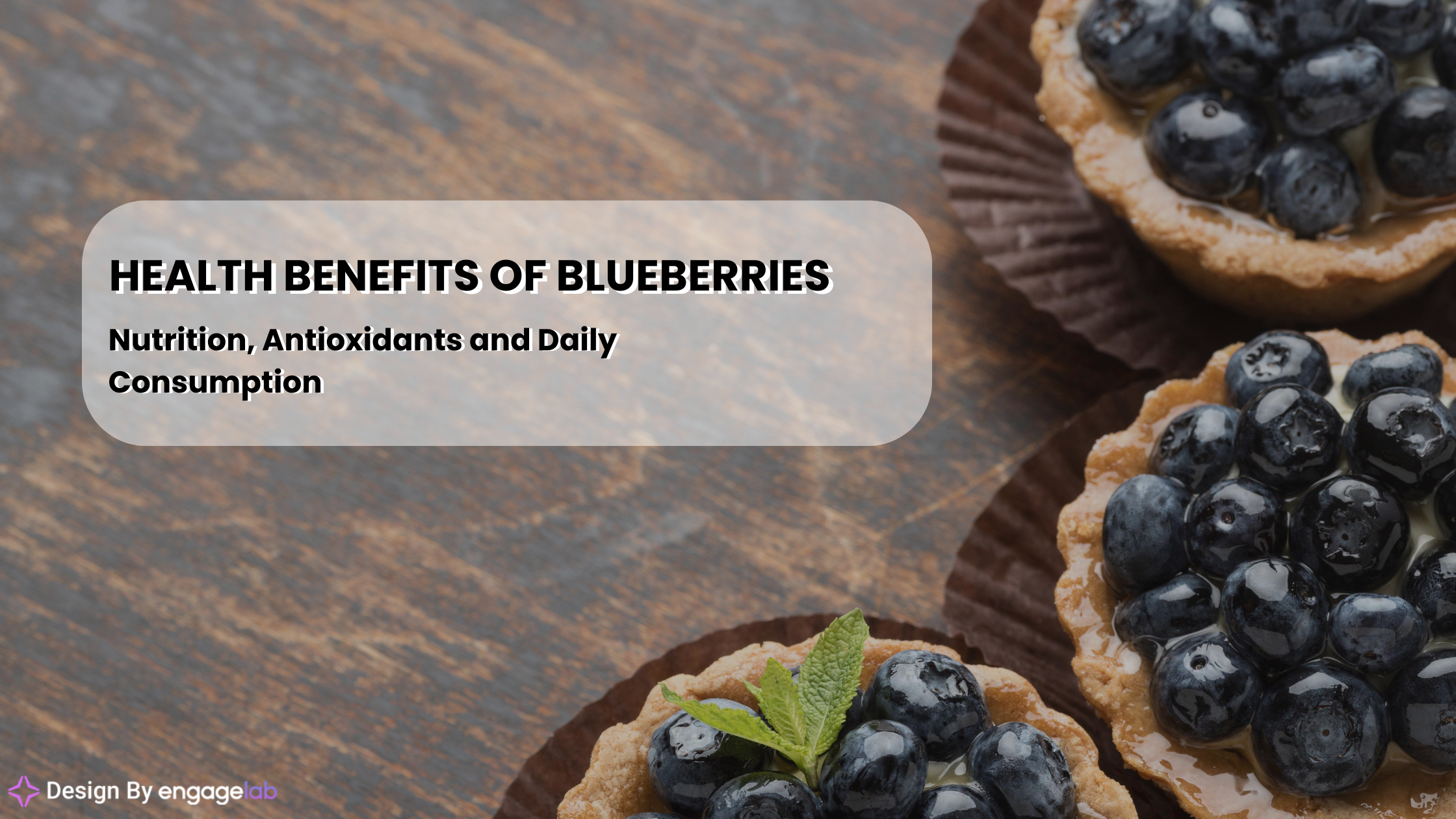
Health Benefits of Blueberries: Nutrition, Antioxidants and Daily Consumption

Health Benefits of Blueberries: Nutrition, Antioxidants and Daily Consumption

Blueberries are often described as one of the most nutrient-dense fruits in the world. Small in size but rich in essential compounds, they have gained global popularity for their antioxidant content, natural flavour, and versatility in daily diets. From breakfast bowls to smoothies and snacks, blueberries fit seamlessly into modern eating habits.

This blog explores the nutritional profile of blueberries, their scientifically supported health benefits, and how they can be consumed daily in a balanced and sustainable way.

What Are Blueberries?

Blueberries are small, round berries belonging to the Vaccinium family. They are native to North America but are now cultivated in various parts of the world. Blueberries are consumed fresh, frozen, or dried, with each form retaining much of its nutritional value.

They are naturally low in calories and high in bioactive compounds, making them a popular choice in diets focused on overall wellness.

Nutritional Value of Blueberries

Blueberries provide a wide range of nutrients while remaining light and easy to digest.

Per 100 grams, blueberries typically contain:

  • Dietary fiber
  • Vitamin C
  • Vitamin K
  • Manganese
  • Natural sugars
  • Polyphenols and flavonoids
  • Anthocyanins (the pigments responsible for their blue colour)

This combination supports multiple body functions while keeping calorie intake moderate.

Antioxidant Power of Blueberries

One of the most researched benefits of blueberries is their high antioxidant content.

Rich in Anthocyanins

Anthocyanins are powerful antioxidants that help protect cells from oxidative stress caused by free radicals. Blueberries are among the richest natural sources of these compounds.

Cellular Protection

Regular intake of antioxidant-rich foods like blueberries supports cellular health and may help reduce the impact of environmental and metabolic stress on the body.

Because oxidative stress plays a role in aging and lifestyle-related challenges, blueberries are often included in long-term, balanced diets.

Blueberries and Heart Health

Blueberries contain flavonoids that have been linked to improved cardiovascular markers in observational studies. These compounds support healthy blood vessel function and circulation when blueberries are consumed regularly as part of a varied diet.

Their potassium and fiber content also contributes to overall heart-friendly nutrition.

Blueberries and Brain Function

Blueberries are often associated with cognitive support due to their antioxidant profile. Research suggests that flavonoids in blueberries may help support memory and cognitive performance over time by protecting brain cells from oxidative damage.

This has made blueberries popular across age groups, from students to older adults.

Digestive Support and Gut Health

Blueberries provide dietary fiber that supports digestion and helps maintain gut regularity. Fiber also feeds beneficial gut bacteria, contributing to a healthier digestive environment.

Unlike some fruits, blueberries are generally gentle on the digestive system when eaten in moderate portions.

Energy and Daily Nutrition

Blueberries provide natural carbohydrates along with fiber, which helps slow sugar absorption. This makes them suitable for:

  • breakfast meals
  • mid-morning snacks
  • pre-workout fuel
  • long workdays

They offer light, steady energy without heaviness.

How to Consume Blueberries Daily

Blueberries are extremely versatile and easy to include in everyday diets.

Common ways to consume blueberries include:

  • adding them to oats, cereals, or yogurt
  • blending into smoothies
  • eating as a standalone snack
  • using in salads or desserts
  • incorporating dried blueberries into trail mixes

Fresh, frozen, and dried forms can all be used depending on availability and preference.

Portion Guidance

A typical daily portion ranges from ½ to 1 cup of fresh blueberries or a smaller quantity of dried blueberries. Consuming them as part of a balanced meal helps maximize benefits while maintaining dietary balance.

Who Can Benefit from Blueberries?

Blueberries are suitable for:

  • individuals seeking antioxidant-rich foods
  • people focusing on long-term wellness
  • those looking for light, nutrient-dense snacks
  • anyone wanting to add variety to daily fruit intake

They fit well into most dietary patterns and age groups.

Final Thoughts

Blueberries stand out not because they promise instant results, but because they consistently deliver nutritional value over time. Rich in antioxidants, vitamins, and fiber, they support cellular health, digestion, and daily energy needs in a balanced way.

Simple, versatile, and widely accessible, blueberries remain one of the most functional fruits for everyday consumption when included as part of a varied and mindful diet.

Posted on Leave a comment

Health Benefits of Prunes: Nutrition, Digestion, Bone Health and Daily Use

What Are Prunes?

Health Benefits of Prunes: Nutrition, Digestion, Bone Health and Daily Use

Prunes, also known as dried plums, have been consumed for centuries for their nutritional value and digestive benefits. In recent years, interest in prunes has grown beyond digestion alone, with research highlighting their role in gut health, bone health, and overall daily nutrition.

This blog explores the nutritional profile of prunes, their scientifically supported health benefits, and how they can be included in everyday diets in a balanced way.

What Are Prunes?

Prunes are dried plums, most commonly produced from specific plum varieties that naturally dry well while retaining nutrients. Unlike many dried fruits that rely heavily on added sugars, prunes contain naturally occurring sugars and fiber, making them nutritionally dense.

They are widely used across cultures as a daily food, not just a remedy.


Nutritional Value of Prunes

Prunes are rich in several essential nutrients that support everyday body functions.

Per 100 grams, prunes typically provide:

  • Dietary fiber

  • Natural sugars (glucose and fructose)

  • Potassium

  • Vitamin K

  • Vitamin B6

  • Magnesium

  • Iron (in small amounts)

  • Polyphenols and antioxidants

This combination makes prunes both energy-providing and nutrient-supportive.


Digestive Health Benefits of Prunes

One of the most well-known benefits of prunes is their positive effect on digestion.

High Dietary Fiber

Prunes contain both soluble and insoluble fiber.

  • Soluble fiber helps absorb water and soften stool

  • Insoluble fiber adds bulk and supports regular bowel movement

This dual action helps maintain healthy digestion without harsh effects.

Natural Sorbitol Content

Prunes naturally contain sorbitol, a sugar alcohol that draws water into the intestines. This supports smoother digestion and regularity when consumed in moderation.

Gut Microbiome Support

The fiber and polyphenols in prunes act as food for beneficial gut bacteria, helping maintain a balanced digestive system over time.


Bone Health and Prunes

Prunes have gained attention for their role in bone health, especially in adults and older populations.

Vitamin K and Minerals

Vitamin K plays a role in bone mineralization. Prunes also provide potassium and magnesium, which support bone structure and calcium balance.

Polyphenols and Bone Density

Research suggests that the antioxidant compounds in prunes may help reduce bone breakdown by supporting healthy bone turnover.

This makes prunes a valuable food for long-term bone maintenance when included as part of a balanced diet.


Antioxidant and Cellular Support

Prunes are rich in antioxidants such as phenolic compounds. These antioxidants help protect cells from oxidative stress caused by daily environmental and metabolic factors.

Regular intake of antioxidant-rich foods supports overall cellular health and aging processes.


Energy and Daily Nutrition Support

Prunes provide natural energy due to their carbohydrate content while offering fiber that slows sugar absorption. This combination makes them suitable for:

  • Mid-morning snacks

  • Pre-workout energy

  • Long workdays

  • Travel or fasting periods

They offer sustained energy rather than quick spikes when eaten in appropriate portions.


How to Consume Prunes Daily

Prunes are versatile and easy to include in everyday meals.

Common ways to consume prunes:

  • Eat 2–4 prunes as a standalone snack

  • Add chopped prunes to oats or porridge

  • Blend into smoothies

  • Use in salads for mild sweetness

  • Soak prunes overnight and consume in the morning

Moderation is important. Excessive consumption may cause digestive discomfort due to high fiber and sorbitol content.


Who Can Benefit from Prunes?

Prunes are suitable for:

  • adults seeking better digestion

  • individuals with low fiber intake

  • people focusing on bone health

  • those looking for natural energy sources

  • anyone wanting to add nutrient-dense foods to daily meals

They can be consumed year-round and fit into most dietary patterns.


Final Thoughts

Prunes are far more than a traditional digestive aid. With their rich fiber content, essential minerals, antioxidants, and natural energy, they support digestive health, bone strength, and daily nutrition in a balanced way.

When consumed regularly and in moderation, prunes can be a valuable addition to a long-term, health-focused diet. Simple, natural, and time-tested, they remain one of the most functional dried fruits for everyday use.

Posted on Leave a comment

Difference Between Arabian Dates and Safawi Dates Explained

Safawi & Arabian Dates

Difference Between Arabian Dates and Safawi Dates Explained

Dates have been a part of everyday diets across cultures for centuries. From morning routines to evening snacks, they are valued for their taste, versatility, and convenience. Among the many varieties available today, Arabian Dates and Safawi Dates are two of the most popular choices, especially for daily consumption.

While both come from the Middle East and share a rich heritage, they differ in flavour, texture, and how people typically include them in their routines. So which one is better for daily use? Let’s take a closer look.

Understanding Arabian Dates

Arabian Dates is a broad term commonly used to describe traditional date varieties grown across regions like Saudi Arabia, Oman, and the UAE. These dates are widely consumed and known for their balanced sweetness and soft texture.

Key characteristics of Arabian Dates:

  • Medium to large in size

  • Soft to semi-soft texture

  • Balanced sweetness, not overpowering

  • Moist and easy to chew

Arabian Dates are often chosen for their versatility. They work well as a standalone snack, in desserts, or paired with nuts. Because they are not excessively sweet, many people find them comfortable for everyday eating.

What Makes Safawi Dates Different

Safawi Dates originate primarily from the Madinah region of Saudi Arabia. They are darker in colour and have a more pronounced flavour compared to many common Arabian date varieties.

Key characteristics of Safawi Dates:

  • Dark brown to almost black colour

  • Soft yet dense texture

  • Rich, deep sweetness

  • Slightly chewy bite

Safawi Dates are often preferred by those who enjoy bold flavours. Their richness makes them feel more indulgent, and they are commonly consumed as an energy-boosting snack or during fasting periods.

Taste Comparison: Mild vs Rich

One of the biggest differences between the two lies in taste.

  • Arabian Dates offer a lighter, more balanced sweetness. This makes them suitable for frequent consumption without feeling heavy.

  • Safawi Dates have a deeper, more intense sweetness. While satisfying, some people may find them richer for multiple servings in a day.

For daily routines, taste preference plays a major role. Those who like subtle flavours often lean toward Arabian Dates, while those who enjoy richer profiles may prefer Safawi Dates in moderation.


Texture and Eating Experience

Texture matters, especially when dates are consumed daily.

  • Arabian Dates tend to be softer and juicier, making them easy to eat on the go.

  • Safawi Dates are slightly denser and more filling, which can make them ideal for longer gaps between meals.

If dates are part of a light daily snack or paired with tea or coffee, Arabian Dates usually fit better. Safawi Dates feel more substantial and are often chosen when one wants a more satisfying bite.


Which Is Better for Daily Consumption?

The answer depends on how you plan to consume dates daily.

Arabian Dates are better if you:

  • Eat dates every day, sometimes more than once

  • Prefer mild sweetness

  • Use dates in recipes, breakfast bowls, or desserts

  • Want a lighter, easy-to-digest option

Safawi Dates are better if you:

  • Enjoy rich, bold flavours

  • Consume dates as a single snack portion

  • Prefer a more filling option

  • Like dates during fasting or long workdays

Many people choose to keep both varieties at home and alternate based on mood, timing, and usage.


Daily Use Ideas for Both Varieties

Arabian Dates:

  • With morning tea or coffee

  • Chopped into salads or oats

  • Used in desserts or baking

  • Paired with nuts for light snacking

Safawi Dates:

  • As an evening snack

  • With warm milk

  • During fasting days

  • As a natural sweet bite after meals

Final Thoughts

There is no single “better” date for everyone. Arabian Dates are ideal for light, everyday consumption due to their balanced sweetness and soft texture. Safawi Dates stand out for their rich taste and satisfying bite, making them a great option when you want something more indulgent.

Choosing between them comes down to personal preference, eating habits, and how dates fit into your daily routine. Whichever you choose, both varieties offer a timeless taste rooted in tradition and everyday comfort.

Posted on Leave a comment

What Makes Kharawala’s Medjoul Dates Truly Premium? Size, Taste and Sourcing Explained

Know the fact about Dates!

What Makes Kharawala’s Medjoul Dates Truly Premium? Size, Taste and Sourcing Explained

Medjoul dates are often called the “king of dates” but not all Medjoul dates are the same. While many brands use the name, true premium quality comes down to a few critical factors: size, taste, texture, sourcing, and consistency.

This blog explains what sets Kharawala’s Medjoul Dates apart and why discerning consumers notice the difference from the very first bite.

1. Size That Signals Quality

One of the most visible markers of a premium Medjoul date is its size.

Kharawala’s Medjoul Dates are known for their large, plump, and well-formed appearance. Larger size is not just cosmetic it reflects:

  • Better growing conditions

  • Careful cultivation

  • Proper maturity at harvest

Premium Medjoul dates are naturally bigger because the palm receives adequate nutrients, water, and time. Smaller or uneven dates often indicate rushed harvesting or mixed grading.

At Kharawala’s, size grading is done carefully so every date in the pack feels consistent and impressive.


2. Taste That Is Naturally Rich, Not Overpowering

True Medjoul dates are prized for their deep caramel-like sweetness rich, rounded, and never sharp.

Kharawala’s Medjoul Dates deliver:

  • Balanced sweetness

  • No bitterness or fermented aftertaste

  • A flavour that feels indulgent yet clean

This balance comes from harvesting dates at the right stage of ripeness and ensuring proper post-harvest handling. Overripe or improperly stored dates may taste overly sugary or flat.

The goal is simple: sweetness that feels luxurious, not overwhelming.


3. Soft, Juicy Texture Without Stickiness

Texture is where premium Medjoul dates truly stand out.

Kharawala’s Medjoul Dates are:

  • Soft and tender

  • Naturally moist

  • Easy to bite

  • Not dry or fibrous

At the same time, they are not excessively sticky, which often happens when dates are poorly stored or artificially treated.

This balance of softness and structure makes them ideal for:

  • Direct consumption

  • Pairing with nuts

  • Gifting

  • Serving on platters


4. Sourcing From Trusted Growing Regions

Medjoul dates require very specific climate conditions to develop their signature size and flavour. Only a handful of regions globally can produce authentic Medjoul dates of consistent quality.

Kharawala’s sources Medjoul dates from established growing regions known for premium cultivation, where:

  • Palms mature naturally

  • Harvesting is done at optimal ripeness

  • Quality control begins at the farm level

Responsible sourcing ensures not just better taste, but also consistency across batches.


5. Careful Sorting and Selection

One major difference between regular and premium Medjoul dates lies in sorting discipline.

Each batch of Kharawala’s Medjoul Dates is:

  • Graded for size and appearance

  • Checked for texture consistency

  • Selected to remove broken or sub-standard pieces

This extra attention ensures that what reaches the consumer matches premium expectations, not just in one date but across the entire pack.


6. No Compromise on Natural Quality

Premium dates should not rely on artificial shine, excessive moisture, or treatments to look appealing.

Kharawala’s Medjoul Dates focus on:

  • Natural finish

  • Authentic colour

  • Real texture

  • Clean presentation

This approach preserves the original character of the date rather than masking flaws.


7. A Premium Experience, Not Just a Product

What ultimately defines a premium food product is the experience it delivers.

With Kharawala’s Medjoul Dates, that experience includes:

  • Visual appeal

  • Rich, satisfying flavour

  • Consistent quality

  • Confidence in sourcing

Whether enjoyed daily, served to guests, or included in gifting, the dates reflect a level of care that goes beyond basic standards.

Final Thoughts

Premium Medjoul dates are not created by chance. They are the result of careful sourcing, patient cultivation, strict grading, and respect for the product itself.

Kharawala’s Medjoul Dates stand out because every step from origin to selection is handled with intention. The difference is visible in size, noticeable in taste, and felt in every bite.

When quality matters, the details make all the difference.

Posted on Leave a comment

Top 10 Health Benefits of Eating Roasted Pumpkin Seeds Daily

Pumpkin Seeds in a hand

Looking for a simple, tasty, and nutrient-packed snack to add to your daily diet? Roasted pumpkin seeds might just be the answer. These tiny seeds are often overlooked, but they carry a powerful nutritional punch. Whether you’re trying to boost your immunity, improve your digestion, or simply snack smarter, roasted pumpkin seeds are worth including in your daily routine.

Let’s explore why they’re called a superfood in a small shell.

1. Rich Source of Protein

Roasted pumpkin seeds are surprisingly high in protein. Just a handful (about 30g) contains around 7 grams of plant-based protein, making them perfect for vegetarians, vegans, or anyone looking to increase protein intake naturally.

Protein helps with muscle repair, keeps you full longer, and plays a crucial role in maintaining healthy skin and hair.

2. Packed with Magnesium

Magnesium is an essential mineral that many people don’t get enough of. These seeds are one of the best natural sources of magnesium, which supports:

  • Heart health
  • Bone strength
  • Relaxed muscles
  • Better sleep quality

Adding pumpkin seeds to your daily diet can help keep your magnesium levels in check without supplements.

3. Excellent Source of Zinc

Zinc is vital for a strong immune system, skin health, and wound healing. A daily serving of roasted pumpkin seeds can provide a significant amount of your daily zinc requirement, which is especially helpful during cold and flu season.

4. Supports Heart Health

Thanks to a combination of healthy fats, magnesium, and antioxidants, pumpkin seeds can contribute to better heart health. They may help lower bad cholesterol (LDL) levels and reduce blood pressure.

Roasted pumpkin seeds are also rich in omega-3 and omega-6 fatty acids, which are known to protect the heart and reduce inflammation.

5. Aids in Better Digestion

Pumpkin seeds contain dietary fiber, especially when eaten with the shell. Fiber is important for smooth digestion and helps maintain a healthy gut. A small daily portion can keep things moving and prevent constipation.

6. High in Antioxidants

Roasted pumpkin seeds contain antioxidants like vitamin E and carotenoids, which help reduce inflammation and protect your cells from damage caused by free radicals.

Antioxidants are also linked to reducing the risk of chronic diseases like diabetes and cancer.

7. Supports Better Sleep

These seeds contain tryptophan, an amino acid that the body converts into serotonin and then melatonin, the hormone that helps you sleep. When combined with the magnesium content, roasted pumpkin seeds make for a great evening snack that can support better sleep quality.

8. Promotes Prostate Health

Pumpkin seeds have traditionally been used to support prostate and bladder health in men. The zinc and phytochemicals in these seeds may help reduce the symptoms of enlarged prostate (BPH) and improve urinary function.

9. Helps in Blood Sugar Control

Pumpkin seeds may help regulate blood sugar levels thanks to their low glycemic index, high fiber, and magnesium content. For people with type 2 diabetes or those watching their sugar levels, this snack is both satisfying and beneficial.

10. Easy to Include in Your Daily Diet

Aside from the health benefits, roasted pumpkin seeds are super easy to include in your daily routine. Sprinkle them on your salads, mix them into yogurt, blend them into smoothies, or just munch on a handful during tea time.

Nutritional Value (per 100g of Roasted Pumpkin Seeds)

Nutrient Amount
Calories 559 kcal
Protein 30g
Healthy Fats 49g
Carbohydrates 10g
Fiber 6g
Magnesium 262 mg
Zinc 7.8 mg
Iron 8.8 mg
Potassium 809 mg

Final Thoughts

Roasted pumpkin seeds are more than just a crunchy snack; they’re a natural multivitamin in seed form. Whether you’re trying to eat cleaner, boost your immunity, or simply snack better, these seeds can fit right into your lifestyle.

You don’t need to eat a lot, just a handful a day is enough to get the benefits.

Want to Try High-Quality Roasted Pumpkin Seeds?

Posted on Leave a comment

Dates vs Other Dry Fruits: Which One is Better for Your Health Goals?

Dates vs Other Dry Fruits: Which One is Better for Your Health Goals?

When it comes to healthy snacking, dates and dry fruits are often at the top of the list. They’re natural, nutrient-dense, and easy to carry. But if you’re wondering, “Are dates better than almonds, cashews, raisins, or figs?” The answer depends on your health goals.

Let’s break it down and help you choose what’s best for your body and lifestyle.

1. For Instant Energy: Dates Win

If you’re feeling tired, weak, or need a quick boost, dates are your best bet.
Why?

  • Naturally high in glucose and fructose
  • Easy to digest
  • Ideal for pre-workout, breaking fast, or mid-day energy dips

Compared to: Other dry fruits like almonds or walnuts take longer to digest and release energy more slowly.

Best for: Athletes, fasting individuals, people with low energy.

2. For Weight Loss: Choose Almonds or Pistachios

If you’re watching calories or trying to manage weight, dry fruits like almonds and pistachios are better.

  • High in protein and fiber
  • Keeps you full for longer
  • Helps control hunger and avoid overeating

Dates, while nutritious, are higher in natural sugars and calories, so they’re better in moderation during weight loss diets.

Best for: Weight watchers, gym-goers, diabetic-friendly plans (in controlled quantity).

3. For Digestion & Constipation Relief: Dates & Figs

Both dates and dried figs (anjeer) are rich in fiber, which supports healthy digestion and helps relieve constipation.

  • Dates provide softer fiber and mild laxative effects
  • Figs are rich in both soluble and insoluble fiber

Best for: People with digestive issues or irregular bowel movements.

4. For Brain & Heart Health: Walnuts & Almonds

When your goal is long-term health, especially mental clarity and heart wellness — nuts like walnuts and almonds are excellent.

  • Walnuts contain plant-based omega-3s
  • Almonds have vitamin E, magnesium, and antioxidants
  • Both support brain function and reduce bad cholesterol

Dates, while nutritious, don’t have the healthy fats that nuts provide.

Best for: Office-goers, students, senior citizens.

5. For Natural Sweet Cravings: Go for Dates or Raisins

Trying to quit sugar but still crave something sweet? Dates are a fantastic natural substitute.

  • Sweet, soft, and satisfying
  • No added sugar
  • Great in smoothies, desserts, or as-is

Raisins also offer natural sweetness with iron and antioxidants, but they’re more sugary and less filling.

Best for: Sweet cravings, healthier desserts, children’s snacks.

Quick Comparison Table

GoalBest Dry FruitWhy
Instant energyDatesNatural sugars, fast digestion
Weight lossAlmonds, PistachiosHigh in protein, keeps you full
DigestionDates, FigsRich in fiber
Brain & heart healthWalnuts, AlmondsOmega-3s, vitamin E
Natural sugar cravingDates, RaisinsSweet & satisfying without added sugar

So, Which One Is Better for You?

The truth is, both dates and other dry fruits have their place in a healthy diet. It’s not about choosing one over the other — it’s about knowing when and why to eat them.

If you need a quick energy boost, go for dates.
If you’re looking for satiety, weight balance, or brain fuel, opt for nuts.
Want better digestion? Keep dates and figs handy.

Mix and match based on your lifestyle, variety is key to balanced nutrition.

Want a handpicked mix of the best dry fruits and dates?